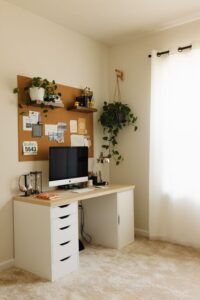
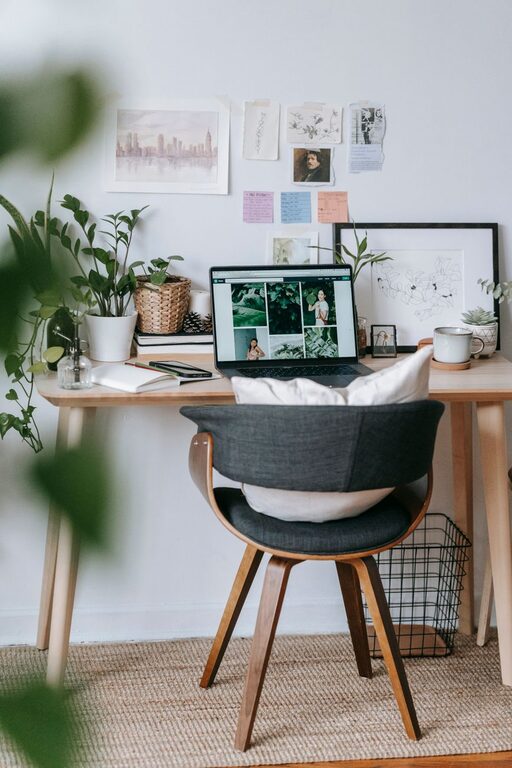
Creating a cozy and productive home office is more important than ever, especially as many people continue to work remotely. A well-designed workspace not only boosts your efficiency but also makes your workday more enjoyable. Whether you have a dedicated room or just a corner in your living space, these tips will help you craft a home office that supports focus and comfort.
Choose the Right Location
The first step in designing your home office is selecting the most suitable spot. Ideally, choose a quiet area with minimal distractions. If possible, use a room with a door to reduce noise and interruptions.
Factors to consider:
– Natural light: A space near a window can improve mood and reduce eye strain.
– Privacy: Pick a spot where you can concentrate without frequent disturbances.
– Space: Ensure there’s enough room for your desk, chair, and any equipment or storage you need.
If your living area is small, consider creative solutions like converting a nook or even setting up a compact workstation on a shelf or fold-down desk.
Invest in Comfortable and Supportive Furniture
Your chair and desk are central to your home office comfort and productivity.
– Ergonomic chair: Choose a chair that supports your back and encourages good posture. Adjustable height and lumbar support are helpful features.
– Appropriate desk: Select a desk at the right height to avoid strain. Standing desks or adjustable desks are great options if you want to alternate between sitting and standing.
– Consider your needs: Make sure there’s enough surface space for your computer, documents, and other essentials.
Comfortable furniture reduces physical discomfort and helps maintain focus throughout the day.
Optimize Lighting
Good lighting is key for reducing eye strain and keeping energy levels up.
– Natural light: Maximize natural sunlight by positioning your desk near a window. Avoid glare on your screen by angling your computer away from direct sunlight.
– Task lighting: Use adjustable desk lamps for focused lighting, especially in the evening or in rooms with limited daylight.
– Ambient lighting: Soft overhead lights or floor lamps create a warm, inviting atmosphere.
Balancing different types of light sources can improve mood and help you stay alert.
Organize Your Space Smartly
A clutter-free workspace encourages clear thinking and reduces stress.
Tips for organization:
– Use storage solutions: Incorporate shelves, filing cabinets, or desk organizers to keep documents and supplies neat.
– Declutter regularly: Keep only what you need on your desk to maintain a tidy environment.
– Cable management: Use clips or cable sleeves to prevent cords from tangling and creating mess.
Having an organized space makes it easier to focus and find things when you need them.
Personalize Your Workspace
Adding personal touches can make your home office feel inviting without becoming distracting.
– Plants: Indoor plants add color, improve air quality, and create a calming effect.
– Artwork or photos: Choose images that inspire you or bring positivity.
– Color schemes: Use soothing colors like blues, greens, or neutrals to create a peaceful environment.
Personalizing your space helps build a positive connection with your work area.
Minimize Distractions
Creating boundaries between work and home life is crucial for productivity.
– Set clear work hours: Establish a routine to separate work time from downtime.
– Use noise-canceling headphones: These can help block out household noises.
– Communicate boundaries: Let housemates know your schedule and workspace limits.
These strategies help you maintain focus while working at home.
Include Essential Technology and Supplies
Having the right tools on hand streamlines your workflow.
– Reliable internet connection: Ensure your Wi-Fi is strong to avoid interruptions.
– Quality peripherals: Invest in a good keyboard, mouse, and headset for comfort and efficiency.
– Office supplies: Keep pens, notebooks, chargers, and other essentials within easy reach.
Being prepared allows you to work smoothly without frequent breaks to search for items.
Incorporate Break Areas
Even in a small home office, designating a spot to take short breaks can boost productivity.
– Comfortable chair or cushion: Use this area for stretching or brief relaxation.
– Keep it separate: Physically stepping away from your desk can help clear your mind.
Regular breaks prevent burnout and improve focus during work sessions.
Final Thoughts
Creating a cozy and productive home office doesn’t require a huge budget or a lot of space. By carefully selecting your location, investing in comfortable furniture, organizing effectively, and adding personal touches, you can design a workspace that keeps you motivated and comfortable. Remember, your home office should serve you – making your workday smoother and more enjoyable. Start small and make changes over time, and soon your workspace will be your favorite part of the home.